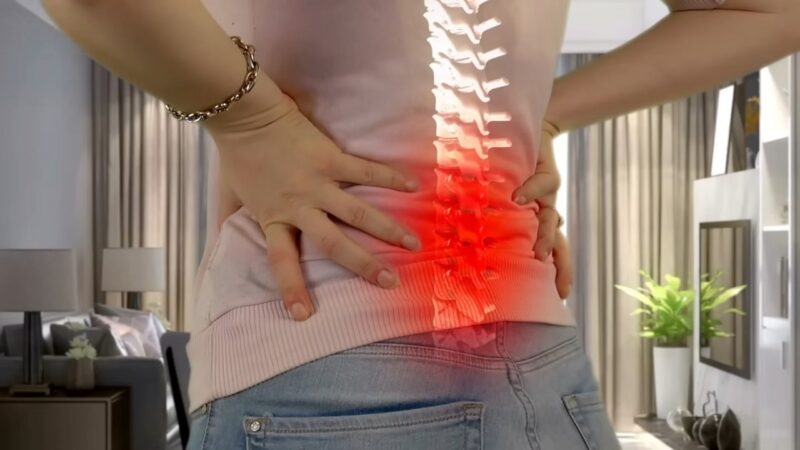
Lumbar spine pain, commonly called lower back pain, affects the area below the rib cage and represents the most frequent form of back discomfort.
Lifetime occurrence reaches up to 80% of the population, making it a widespread health concern.
Prognosis remains favorable for many individuals, as symptoms often improve within two to six weeks.
Chronic pain may develop when contributing factors persist or when proper care is delayed.
Causes of Lumbar Spine Pain
Lumbar spine pain develops due to a wide range of physical, structural, and behavioral factors.
Multiple causes may coexist, increasing symptom severity and prolonging recovery. Identifying contributing elements helps guide effective treatment and prevention strategies.
Mechanical Causes
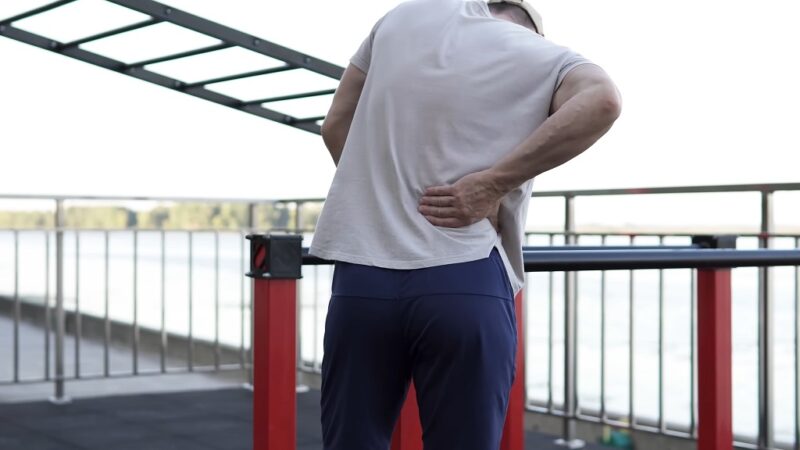
Mechanical factors represent the most frequent source of lower back pain and are often related to daily movement patterns and physical demands.
Soft tissues and joints in the lumbar area are especially vulnerable to excessive load and improper motion.
Muscle or ligament strain commonly occurs after heavy lifting, sudden twisting, or repetitive movements that exceed tissue tolerance.
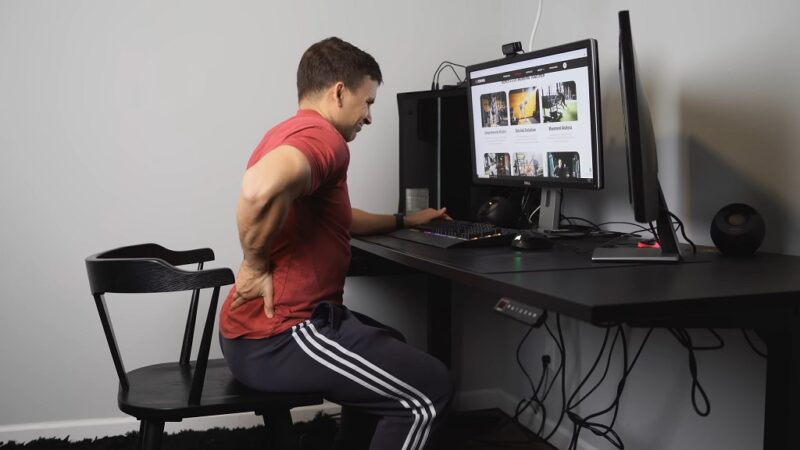
Poor posture during prolonged sitting, especially with inadequate ergonomic support, increases pressure on:
- Discs
- Joints
- Muscles
Disc-related issues arise when internal disc material shifts outward and compresses nearby nerves, often producing pain that travels into the buttock or leg.
Degenerative disc disease develops gradually as spinal discs lose hydration, height, and shock-absorbing capacity.
Facet joint dysfunction results when joints connecting the vertebrae undergo repetitive stress or degenerative change.
Mechanical causes often involve the following stressors:
- Repetitive bending, lifting, or twisting at work or home
- Prolonged sitting without lumbar support
- Sudden increases in physical activity without conditioning
Structural and Disease-Related Causes
Structural abnormalities and medical conditions can produce persistent or progressive lumbar pain.
Nerve involvement and spinal instability are common features in these cases, often limiting mobility and daily function.
Spinal stenosis occurs when the narrowing of the spinal canal places pressure on nerve roots, leading to pain, numbness, or weakness that worsens during standing or walking.
Arthritis gradually damages cartilage within spinal joints, resulting in stiffness and reduced range of motion.
Vertebral fractures may develop after trauma, osteoporosis, or metastatic disease, causing acute or chronic pain.
Tumors affecting spinal bones or nearby tissues can produce localized pain that fails to improve with rest. Infections or systemic inflammatory conditions may trigger ongoing pain that does not follow typical mechanical patterns.
Warning signs linked to structural or disease-related causes include:
- Pain that persists despite rest or standard treatment
- Night pain or pain accompanied by fever
- Progressive neurological symptoms
Lifestyle and Psychological Factors

Daily habits and mental health play a significant role in lumbar spine pain development and persistence. Physical deconditioning and emotional stress can intensify symptoms and slow recovery.
Sedentary behavior weakens core and back muscles, reducing spinal support and increasing injury risk.
Engaging in regular physical activity, such as walking, stretching, or participating in local swim programs, can help build strength and improve spinal health.
Improper lifting techniques place uneven stress on lumbar tissues, especially during sudden or awkward movements.
Excess body weight increases compressive forces across discs and joints, accelerating wear and degeneration.
Psychological factors such as depression, anxiety, and chronic stress alter pain perception and can amplify discomfort even without new tissue damage.
Common contributing factors include:
- Limited physical activity over extended periods
- High stress levels with poor coping mechanisms
- Fear of movement leading to muscle deconditioning
Symptoms of Lumbar Spine Pain
Symptom patterns vary based on cause, severity, and nerve involvement. Pain may remain localized or extend into surrounding areas, affecting mobility and quality of life.
Localized pain often presents as dull aching, sharp discomfort, or stabbing sensations in the lower back.
Nerve irritation may cause radiating pain into one or both legs, accompanied by numbness, tingling, or weakness.
Movement limitations frequently appear as stiffness, difficulty bending, or painful muscle spasms that restrict daily activities.
Urgent medical attention is required when serious warning signs are present, including:
- Loss of bladder or bowel control
- Unexplained weight loss or persistent fever
- Back pain combined with a personal history of cancer
Diagnosis
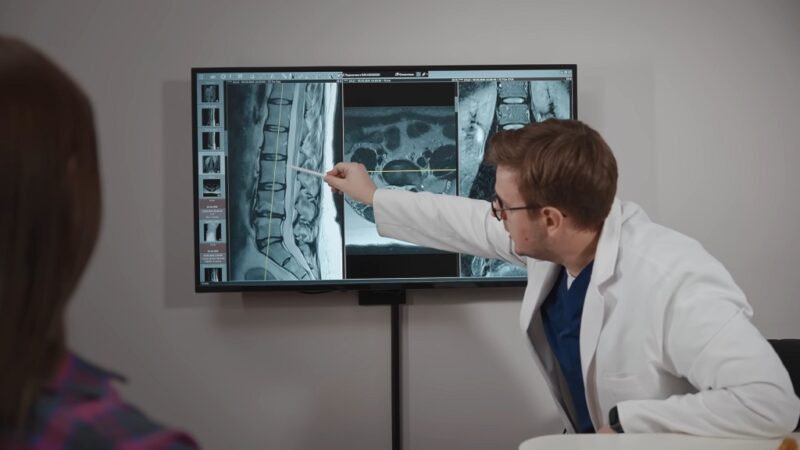
Accurate diagnosis relies on correlating symptoms with physical findings and medical history. Assessment aims to distinguish mechanical pain from serious underlying conditions.
Clinical evaluation includes posture analysis, range-of-motion testing, strength assessment, and neurological examination.
Imaging studies such as X-rays, MRI, or CT scans are reserved for persistent symptoms, trauma, or warning signs suggesting structural or neurological involvement.
Laboratory testing supports evaluation when infection, inflammation, or systemic disease is suspected.
Treatment Options
Treatment plans are tailored to pain severity, cause, and functional impact. Early intervention improves outcomes and reduces the risk of chronic symptoms.
Self-Care and Conservative Therapies
Initial management focuses on restoring movement while protecting injured tissues. Maintaining light activity helps prevent stiffness and promotes circulation.
Structured exercise and physical therapy programs strengthen core muscles, improve flexibility, and restore proper movement patterns.
Ergonomic adjustments at work and home reduce repeated strain and support spinal alignment.
Key elements of conservative care include:
- Gradual return to normal activity
- Targeted strengthening and stretching routines
- Improved sitting, standing, and lifting mechanics
Medications
Medication use supports symptom relief during acute or flare-up periods.
Nonsteroidal anti-inflammatory drugs reduce pain and inflammation when used short term. Paracetamol may assist with mild discomfort.
Muscle relaxants are sometimes prescribed for short-term relief of muscle spasms.
Opioids are considered only in severe cases and for limited durations due to dependency risk.
View this post on Instagram
Advanced Interventions
Persistent pain may require additional therapies when conservative measures provide insufficient relief.
Injection-based treatments target inflamed joints or irritated nerves.
Cognitive behavioral therapy assists individuals coping with long-term pain by addressing thought patterns, fear avoidance, and stress responses.
Psychological support improves outcomes when emotional factors contribute to pain persistence.
Surgical Treatment
Surgical options are reserved for specific structural problems or neurological compromise unresponsive to non-surgical care.
Procedures aim to relieve nerve compression, stabilize spinal segments, or correct anatomical abnormalities to restore function and reduce pain.
Summary
Most cases of lumbar spine pain respond well to early intervention, lifestyle changes, and appropriate conservative care.
Awareness of contributing factors and timely action reduces the risk of long-term complications.
Medical support remains available when self-care and standard treatments do not provide sufficient relief.