
Workplace health consultations review whether an employee’s current health status aligns with the real physical, cognitive, and environmental demands of their job.
They exist to determine work fitness, identify job-related health risks early, prevent injury and occupational disease, and meet legal obligations tied to employee safety.
In practice, these consultations connect medical facts to actual working conditions and produce functional decisions about what work can be done safely, under what limits, and for how long.
Why Workplace Health Consultations Exist at All
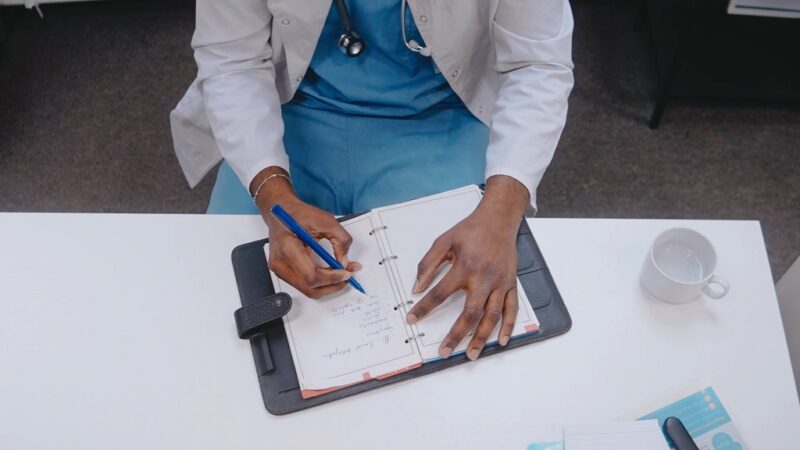
Workplace health consultations were developed because general healthcare does not account for how work itself shapes health risk.
A routine medical checkup may confirm that someone is “generally healthy,” yet that same person may be unfit for night shifts, heavy manual handling, prolonged screen work, or safety-critical tasks. Occupational health emerged to bridge that gap.
Globally, the scale of work-related harm is significant. The International Labour Organization estimates that more than 2.6 million deaths per year are attributable to occupational injuries and diseases. Non-fatal injuries affect nearly 400 million workers annually.
Musculoskeletal disorders alone account for roughly 30 percent of all lost workdays in industrialized economies. Workplace health consultations target these risks upstream, before they turn into injuries, claims, or permanent disability.
The Job Comes First: Work and Task Analysis
A workplace health consultation does not begin with blood pressure or lab results. It begins with the job. Clinicians analyze what the employee actually does during a normal shift.
This includes physical effort, posture, repetition, environmental exposure, work pace, and mental load. Without this context, medical findings cannot be interpreted accurately.
For example, mild asthma may be manageable in a clean office but unsafe in a dusty production facility. Slight balance impairment may be irrelevant at a desk but unacceptable when working at height. Occupational assessments are designed to evaluate this interaction between task demands and health capacity.
Typical Job Factors Reviewed
| Job Factor | Examples | Why It Matters |
| Physical load | Lifting, pushing, carrying, static postures | Predicts musculoskeletal injury risk |
| Repetition | Assembly work, keyboard use | Linked to overuse injuries |
| Environment | Noise, heat, cold, dust, chemicals | Drives long-term occupational disease |
| Work schedule | Night shifts, long hours | Affects fatigue and cardiovascular risk |
| Cognitive demand | Monitoring, decision making | Impacts error and accident risk |
Medical History Focused on Work Relevance
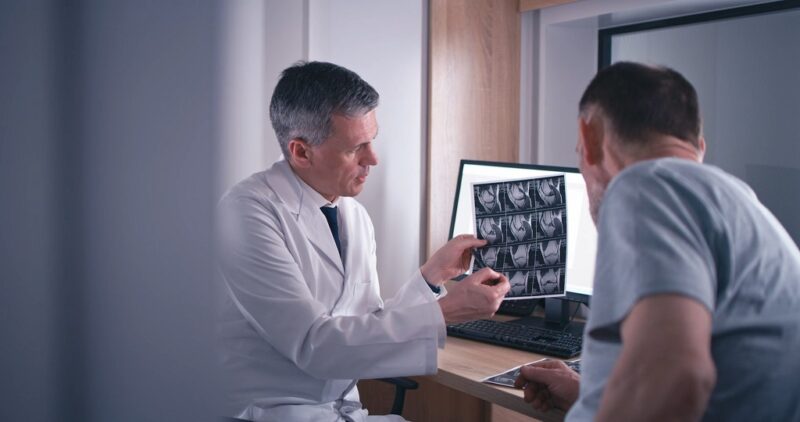
Medical history in workplace consultations is narrow by design. Clinicians focus only on conditions that affect safety, stamina, alertness, or injury risk. Childhood illnesses and unrelated conditions are not relevant unless they influence current function.
Commonly reviewed areas include cardiovascular health, respiratory conditions, musculoskeletal problems, neurological disorders, metabolic disease, and mental health history as it relates to work stress or fatigue. Importantly, employers do not receive diagnoses.
They receive functional conclusions such as “fit with restrictions” or “unfit for night work.”
This separation is legally enforced in many regions. Under EU data protection rules, for example, health data shared with employers must be limited to what is strictly necessary for work safety. Occupational health consultations are structured to comply with these standards.
Physical Examination and Functional Capacity Testing
The physical examination in a workplace health consultation is task-specific. The goal is not to detect every possible medical issue, but to assess whether the body can safely perform required tasks.
In manual roles, clinicians assess joint mobility, spinal function, grip strength, and load tolerance. In safety-critical roles, balance, coordination, vision, and reaction time may be evaluated. In sedentary roles, the focus often shifts to posture, visual strain, and repetitive movement tolerance.
Research consistently shows that functional limitations predict injury better than self-reported symptoms. Workers with reduced trunk strength or limited shoulder mobility experience higher injury rates even when pain is minimal at baseline.
At this stage, the findings are usually consolidated through an occupational physician assessment, where medical results are interpreted against documented job demands to produce a clear, defensible fitness-for-work conclusion.
Examples of Functional Checks by Job Type
| Job Type | Key Physical Focus | Primary Risk |
| Manual labor | Strength, joint range, endurance | Acute and chronic musculoskeletal injury |
| Driving roles | Vision, reaction time, cardiovascular stability | Collision risk |
| Office work | Posture, neck, and shoulder function | Repetitive strain injuries |
| Work at height | Balance, coordination | Falls and fatal injury |
Health Surveillance for Hazardous Exposure
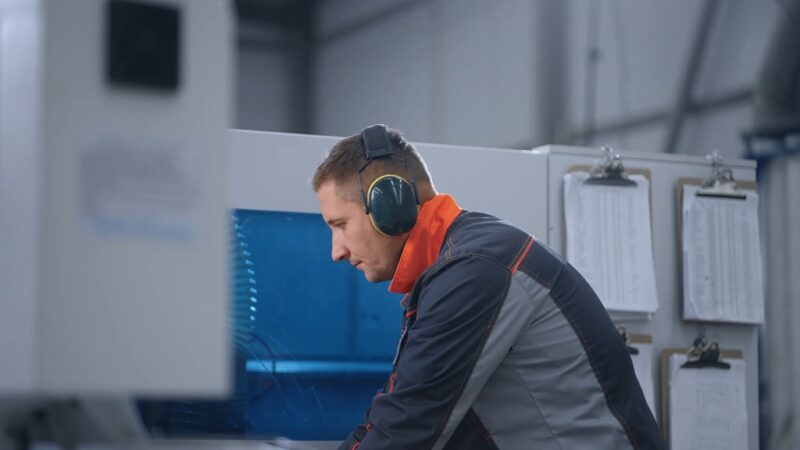
Health surveillance is mandatory in many industries where exposure risks are known. These consultations are periodic and standardized. Their purpose is early detection of damage before it becomes irreversible.
Noise exposure surveillance uses audiometry to detect early hearing loss. Hand-arm vibration exposure is monitored to prevent vascular and nerve damage. Respiratory surveillance identifies reduced lung function in workers exposed to dusts or fumes. These checks are preventive, not diagnostic.
Once an occupational disease becomes symptomatic, damage is often permanent. Surveillance allows job modification or exposure reduction while intervention is still effective.
Common Surveillance Programs
| Exposure | Surveillance Tool | Typical Frequency |
| Noise | Hearing tests | Annual |
| Dust and fumes | Spirometry | Annual or biannual |
| Vibration | Neurological and vascular exams | Annual |
| Chemicals | Targeted blood or urine tests | Risk-dependent |
Mental Health and Psychosocial Risk Assessment

Mental health review is now a standard part of workplace health consultations, particularly in roles with high cognitive load, shift work, or exposure to traumatic events. The focus is functional, not therapeutic. Clinicians assess fatigue, sleep quality, concentration, stress tolerance, and burnout risk.
According to the World Health Organization, depression and anxiety cost the global economy an estimated one trillion US dollars per year in lost productivity. Workplace consultations aim to detect early functional decline before absenteeism or errors occur.
Screening tools are commonly used to standardize assessments. As with physical health, employers receive only functional conclusions, such as fitness for shift work or the need for workload adjustments.
Fitness for Work Decisions
The consultation concludes with a formal fitness decision. This is the core output of occupational health. The decision reflects whether the employee can safely perform their role as defined, with or without limitations.
Standard Fitness Outcomes
| Decision | Meaning |
| Fit | Can perform all duties safely |
| Fit with restrictions | Can work with defined limits |
| Temporarily unfit | Short-term exclusion pending recovery |
| Permanently unfit | Long-term mismatch with role demands |
Restrictions may include limits on lifting, exposure duration, night work, or safety-critical tasks. These decisions protect both worker health and employer liability.
Pre-Employment vs Periodic Consultations
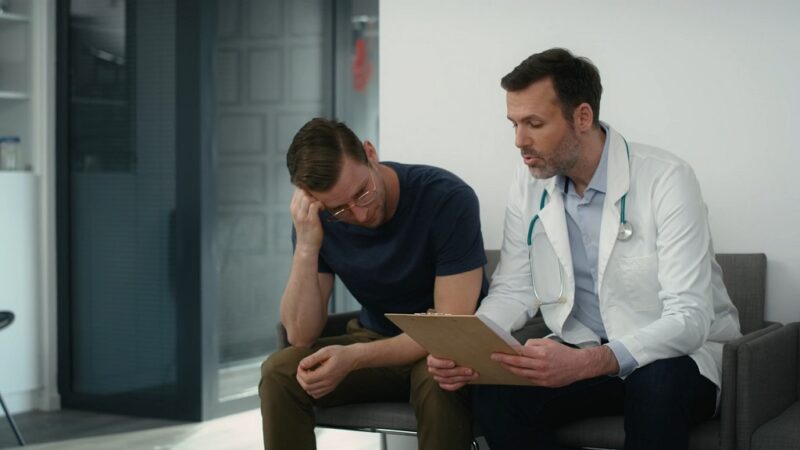
Different consultation types serve different purposes. Pre-employment assessments establish a baseline. Periodic reviews track change over time. Return-to-work consultations assess recovery and readiness.
| Consultation Type | Primary Goal | Trigger |
| Pre-employment | Baseline fitness | Job start |
| Periodic | Exposure monitoring | Ongoing employment |
| Return-to-work | Safe reintegration | Injury or illness |
| Task-change | New risk evaluation | Role modification |
Legal and Organizational Role
Beyond individual health, workplace consultations serve a regulatory function. Many industries are legally required to document health assessments.
Failure to comply can result in fines, increased insurance premiums, or legal liability after incidents.
From an organizational perspective, occupational health data also informs job design and risk management. Trends across consultations often reveal systemic issues such as excessive manual handling, poorly designed workstations, or unsustainable shift patterns.
Why These Consultations Matter in Practice
Workplace health consultations reduce injury rates, prevent occupational disease, and extend working life by aligning health capacity with job demands.
Their value lies in practicality. They translate medical information into clear, defensible decisions about real work tasks.
They are not wellness programs and not general health screenings. They exist to answer one concrete question: can this person safely do this work under current conditions, and if not, what must change?