
First-year medical students are commonly referred to as M1s or MS1s.
The average age for students entering medical school is approximately 24 years old, though backgrounds and life stages vary widely.
The first year presents a major academic shift due to an intense increase in material volume compared with undergraduate education.
Primary objective during M1 year involves building a solid base in anatomy, physiology, biochemistry, histology, pathology, and related basic sciences.
Success during this year sets expectations and habits that influence later training.
Pre-Year Preparation Before Classes Start
Preparation prior to the first day of medical school shapes how smoothly the transition into M1 year unfolds.
Early attention to logistics, finances, and personal readiness reduces avoidable stress once coursework begins and allows full focus on academics.
Administrative and Practical Setup

Medical schools require completion of multiple administrative steps before enrollment becomes official.
Prompt action helps avoid registration delays and scheduling issues during opening weeks.
Common requirements typically include several key items that schools verify before granting full access to campus systems.
Official undergraduate transcripts submitted directly to admissions offices:
- Immunization records that meet institutional and hospital standards
- Criminal background checks and compliance training modules
- Student identification setup and learning platform access
Financial planning plays an equally important role during pre-matriculation.
Aid packages, loan processing, and budgeting decisions benefit greatly when handled early, allowing time to address errors or delays.
Living arrangements also deserve early attention, as housing availability often decreases quickly near medical campuses.
Early research allows comparison of commute times, costs, and living conditions before committing.
Social and Mental Preparation

Transition into medical school involves academic, emotional, and social adjustment. Early interaction with classmates creates familiarity before orientation and supports collaboration later in the year.
Informal communication channels often form quickly and serve practical purposes such as roommate searches or shared study planning.
Summer months function best as a period for rest and mental preparation rather than intensive academic pressure.
Organization during this time supports smoother routines once classes begin. Helpful preparatory activities often focus on personal readiness rather than memorization.
Setting up calendars, task systems, and digital note tools:
- Establishing sleep and exercise routines
- Planning meals and budgeting for busy weeks
Optional academic review remains reasonable when limited in scope.
Basic anatomy preparation works well when focused on foundational elements such as skeletal structures, major vessels, and primary muscle groups, without attempting full course material.
Core Lecture and Lab Content
First-year coursework centers on biomedical sciences that form the scientific basis of clinical medicine. Content volume remains high and concepts build quickly across disciplines.
Foundational Biomedical Lectures
Instruction covers major scientific domains essential for later clinical training. Anatomy focuses on gross human structure and spatial relationships.
Physiology examines functional processes within organ systems. Biochemistry addresses molecular pathways and cellular mechanisms.
Histology and pathology introduce tissue organization and early disease concepts.
Early clinical skills courses may appear alongside basic sciences and address communication, history taking, and physical examination fundamentals.
Some programs also encourage students to obtain basic life-support and emergency response training before or during early clinical exposure through online certification providers such as cprcertificationnow.com.
Lab and Practical Sessions
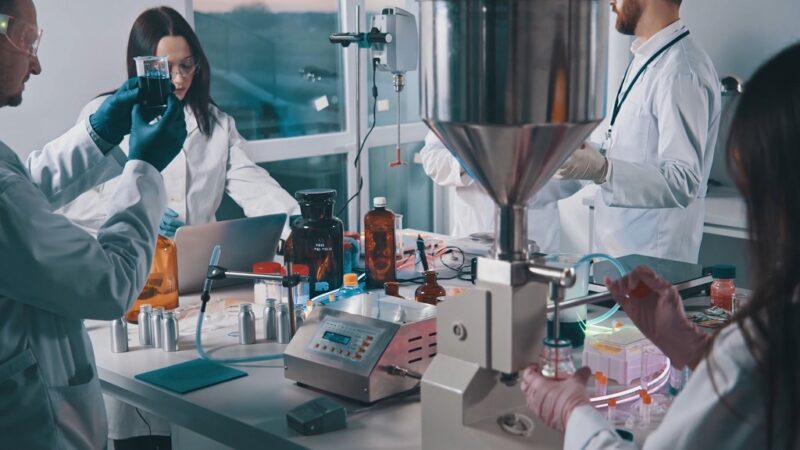
Laboratory work translates theory into physical observation and hands-on experience.
Cadaver dissection strengthens spatial awareness and reinforces anatomical relationships.
Microscopy sessions train visual recognition of tissues and cellular detail. Microbiology labs, when offered, provide direct exposure to laboratory techniques and organism identification.
Schedule Structure and Typical Week
Weekly structure during M1 year balances scheduled instruction with extensive independent work. Demands remain consistent across most programs, though daily timing and course organization vary.
Fixed Academic Components
Lectures serve as the primary method of content delivery and progress rapidly through dense material.
Attendance expectations vary by institution, though recorded lectures often supplement live sessions.
Laboratory sessions reinforce concepts through tactile learning and visual application, especially in anatomy and histology.
Preclinical coursework dominates first year schedules.
Certain programs introduce early clinical exposure through structured activities that build comfort with patient interaction and professional communication.
Independent Study and Review
Self-directed study requires a substantial time commitment and functions as the main driver of academic success.
Many students dedicate large portions of evenings and weekends to review and consolidation of material.
Average weekly time spent studying outside class often falls within a predictable range that fluctuates during exam periods:
- Approximately 30 to 40 hours per week devoted to independent study
- Increased workload during block exams or practical assessments
- Flexible scheduling shaped by personal efficiency and learning style
Independent review frequently exceeds scheduled instructional hours and supports long-term retention.
General Time Use Breakdown
Academic responsibilities divide into fixed and flexible components. Lecture and lab hours follow institutional schedules, while personal study adapts to individual needs. Optional commitments such as student organizations or group study sessions offer professional development and peer support without being mandatory.
Integration and Assessment
Curriculum structure and evaluation methods shape how students engage with material and track progress.
Course Format
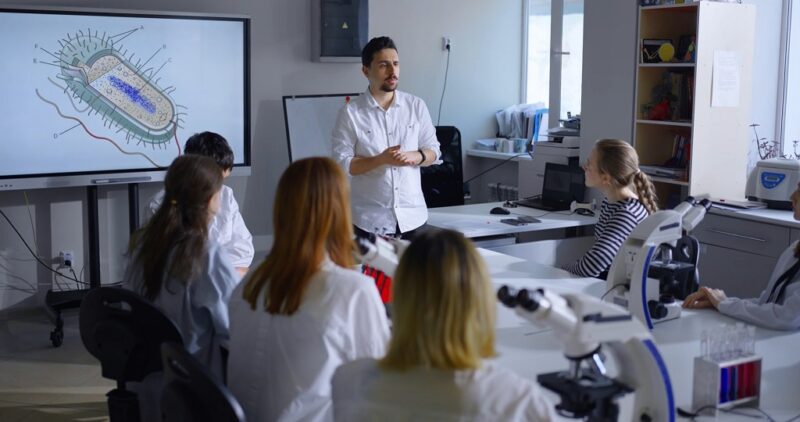
Many medical schools organize instruction into integrated blocks based on organ systems.
Courses often combine anatomy, physiology, pathology, and clinical principles within each block to support cohesive learning and clinical relevance.
Grading and Testing
Assessment occurs regularly throughout the academic year. Exams test cumulative knowledge within each block and require consistent preparation. Content learned during M1 year directly supports future board exam preparation, including USMLE Step 1 later in medical training.
Time and Study Management
Efficient study habits and healthy routines support sustained performance during demanding schedules.
Study Techniques
Structured planning helps manage volume and prevents last-minute overload. Effective approaches vary by student and often involve multiple methods working together:
- Flashcards for memorization and spaced repetition
- Diagrams and concept maps for visual integration
- Practice questions for application and self-assessment
- Group sessions for clarification and accountability
Consistent scheduling supports retention and reduces anxiety.
Healthy Routines
Physical and mental well-being directly affect academic performance. Adequate sleep improves memory consolidation, while balanced nutrition and regular activity support endurance. Clear expectations and realistic goal setting reduce stress and support long-term sustainability during M1 year.
Summary
First-year medical school represents a demanding academic period focused on mastering foundational sciences through lectures, laboratories, and early clinical exposure.
Strong organizational skills, proactive preparation, and balanced daily routines support academic performance and long-term progress during medical training.