

Sprains occur when ligaments stretch or tear after a sudden twist or roll, most often at the ankle.
Such injuries affect people of all ages and activity levels, showing up during sports, daily movement, or simple missteps.
Proper care matters because poor recovery can lead to long-term pain, weakness, and repeated injury.
Today, we will touch upon how long does a sprain take to heal and for a person to return to the full fitness.
Types of Ankle Sprains
Ankle sprains vary based on how the injury happens and how much ligament damage occurs. Clear classification helps set expectations for pain levels, recovery time, and treatment needs.
Location or Mechanism

Different movement patterns place stress on different ankle structures.
Frequency and recovery demands change based on injury type, with several patterns appearing most often.
Inversion sprains occur after a foot rolls inward, stretching ligaments along the outer ankle.
Such injuries dominate ankle sprain cases due to how the foot naturally moves during walking, running, and jumping.
Key characteristics associated with inversion injuries include:
- Roughly 90% of all ankle sprains
- Involvement of lateral ligaments
- Swelling and pain along the outer ankle
Eversion sprains develop when a foot rolls outward, stressing the deltoid ligament on the inner ankle. Lower frequency does not mean lower severity, as stronger ligaments require more force to injure.
Common features linked to eversion injuries include:
- Damage to the deltoid ligament
- Higher likelihood of swelling and bruising
- Greater discomfort compared to mild inversion injuries
High ankle sprains affect the syndesmosis, which connects the tibia and fibula. Recovery tends to take longer because these ligaments stabilize lower leg bones during movement.
Typical traits tied to high ankle injuries include:
- Pain above the ankle joint
- Difficulty pushing off or rotating the foot
- Recovery often measured in months
Severity Levels
Severity grading focuses on ligament damage and functional impact. Each level brings a different combination of pain, swelling, and movement limitation.
Grade 1 sprains involve overstretched ligaments without tearing. Pain stays mild, swelling remains limited, and walking usually remains possible with minimal discomfort.
Grade 2 sprains include partial ligament tears that disrupt stability. Symptoms increase as swelling and bruising become more visible, while range of motion decreases.
Signs commonly seen with moderate injuries include:
- Noticeable swelling
- Skin discoloration
- Difficulty walking without support
Grade 3 sprains involve complete ligament rupture. Joint stability becomes compromised, and weight bearing often becomes impossible without assistance.
Healing Timeline by Severity
Recovery length depends largely on damage level and injury location. General timelines help guide expectations, though individual results may vary.
Grade 1 injuries typically heal within one to three weeks. Light activity often resumes after one to two weeks once swelling decreases.
Grade 2 injuries usually require three to six weeks. Support devices and rehabilitation frequently play a role during recovery.
Grade 3 injuries often need eight to twelve weeks or longer. Physical therapy remains common, and surgical care may appear in severe or unstable cases.
High ankle sprains often require several months due to ligament complexity and mechanical stress during walking.
Factors That Affect Healing Time
Recovery rarely follows a fixed timeline. Healing speed and final outcome depend on a combination of physical condition, daily habits, and injury characteristics.
Age plays a clear role in ligament repair. Younger tissue repairs faster due to higher collagen production and stronger blood supply.
Recovery tends to slow over time as circulation decreases and cellular repair becomes less efficient.
Activity level also shapes healing. Regular movement supports circulation and muscle engagement, which can aid recovery once pain and swelling are controlled.
Engaging in mindful physical activities, like those seen in skateboarding benefits, can strengthen both body and mind, supporting a smoother and more resilient recovery.
Excessive or premature activity, however, can disrupt healing ligaments and extend recovery time.
Health status has a direct impact on tissue repair. Conditions that affect blood flow or nerve function can interfere with healing and increase complication risk.
Medical factors known to delay recovery include:
- Diabetes
- Poor circulation
- Chronic inflammatory conditions
Daily choices also matter. Consistent rest during the early stages protects damaged ligaments, while rehabilitation restores strength and stability.
Skipping exercises or returning to activity too quickly often leads to prolonged symptoms.
Several elements repeatedly influence recovery duration:
- Overall health status
- Commitment to rest and rehabilitation
- Initial injury severity
Severity remains the most reliable predictor of total healing time.
Mild ligament stretching repairs quickly, while partial or complete tears require longer biological repair and structured rehabilitation to regain stability and function.
Treatment by Severity

Treatment approaches shift based on damage level, stability, and pain. Proper care early reduces long-term complications.
Grade 1 Care
Mild sprains respond well to conservative care. RICE therapy supports swelling control and pain relief.
Core elements involved in early care include:
- Rest during painful movement
- Ice application several times daily
- Compression for swelling control
- Elevation above heart level
Light activity may resume once swelling subsides, with ankle support used as needed.
Grade 2 Care
Moderate injuries often need external support to protect healing ligaments. Braces or walking boots help limit harmful movement.
Physical therapy restores strength, balance, and mobility. Activity resumes gradually as pain and swelling decrease.
Grade 3 Care
Severe injuries require strict protection early on. Immobilization allows ligaments to heal without excessive stress.
Treatment plans often include:
- Prolonged rest
- Structured physical therapy
- Surgical evaluation in unstable cases
Surgery may become necessary when instability persists or full tears fail to heal properly.
Signs Medical Care Is Needed
Certain symptoms suggest a more serious injury that needs evaluation. Delaying care can worsen outcomes.
Warning signs that deserve attention include:
- Inability to bear weight
- Pain lasting longer than one to two weeks
- Swelling or bruising that worsens
- Repeated ankle instability
- Possible fracture or tendon injury
Long-Term Recovery and Prevention
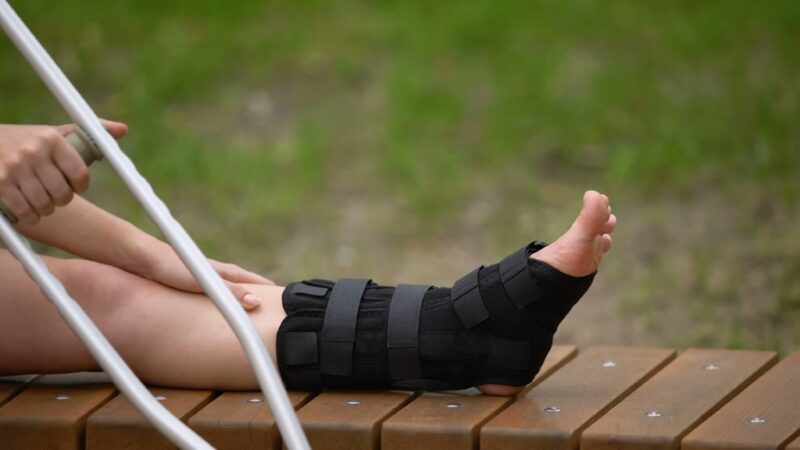
Healing does not end once pain fades. Long-term care focuses on stability and injury prevention.
Chronic Instability Risk
Poor healing raises risk of repeated sprains and ongoing weakness. Daily movement and athletic performance often suffer as instability increases.
Rehabilitation and Prevention
Rehabilitation supports full function and confidence during movement. Strength and balance exercises reduce future injury risk.
Effective prevention strategies include:
- Continued ankle strengthening
- Balance and coordination training
- Proper footwear selection
- Bracing or taping during high-risk activity
- Gradual return to full intensity
Conclusion and Key Points
Most sprains recover well with patience and appropriate care.
Severity and treatment adherence influence recovery more than any other factor.
Lingering pain or instability deserves medical attention.
Focus after healing should remain on strength, balance, and protective habits to reduce future injury risk.