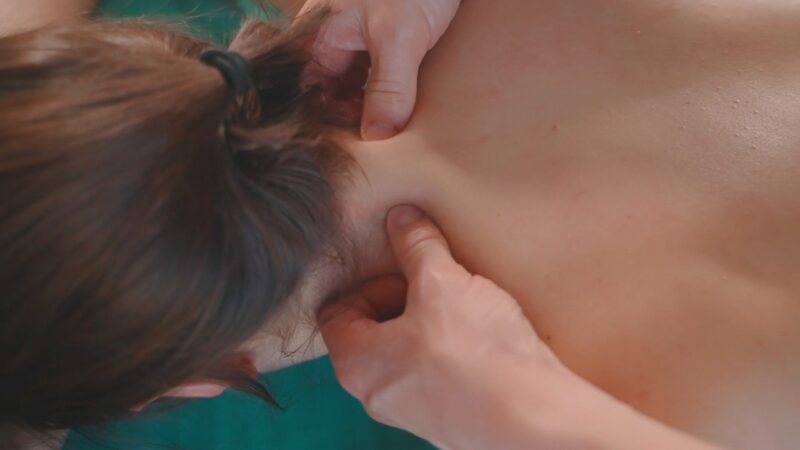
Lymphatic Drainage Massage is a gentle therapeutic method created to stimulate lymph movement and support circulation and immune response.
After intense training sessions, athletes commonly deal with:
- Fluid retention
- Muscle fatigue
- Metabolic waste buildup
Each of these reactions can slow recovery and reduce performance readiness.
Lymphatic Drainage Massage offers a practical way to address swelling, soreness, and post-exercise stress while encouraging the body’s natural recovery mechanisms.
Now, let us take a look at the most important elements of Lymphatic drainage massage and how exactly it helps.
What Does Lymphatic Drainage Massage Do?
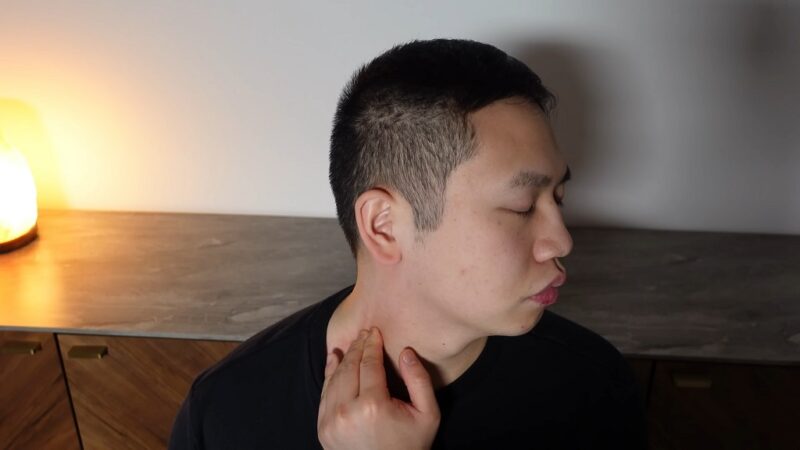
Lymphatic Drainage Massage functions as a gentle manual therapy focused on guiding lymph fluid toward lymph nodes and natural drainage areas.
Light, rhythmic movements activate lymph vessels without stressing muscle tissue or connective structures.
Pressure remains minimal, allowing the lymphatic system to respond efficiently while avoiding muscle guarding or added inflammation.
Nervous system balance also receives support through calm, repetitive touch that signals safety and relaxation.
Therapy sessions often include supportive techniques that enhance overall effectiveness.
Such methods work together to improve fluid movement, tissue mobility, and neurological regulation, including:
- craniosacral therapy to calm neural signaling and reduce stress responses
- myofascial release to improve tissue glide and reduce restriction
- trigger point work applied gently to ease localized tension without aggressive pressure
Why It Is Useful After Intense Training
Physical training places repeated stress on muscles, joints, and connective tissues.
Fluid buildup, metabolic waste, and nervous system fatigue commonly follow intense effort.
Lymphatic Drainage Massage addresses these challenges by supporting fluid transport and recovery processes that standard massage techniques may not target.
Complements Other Recovery Methods
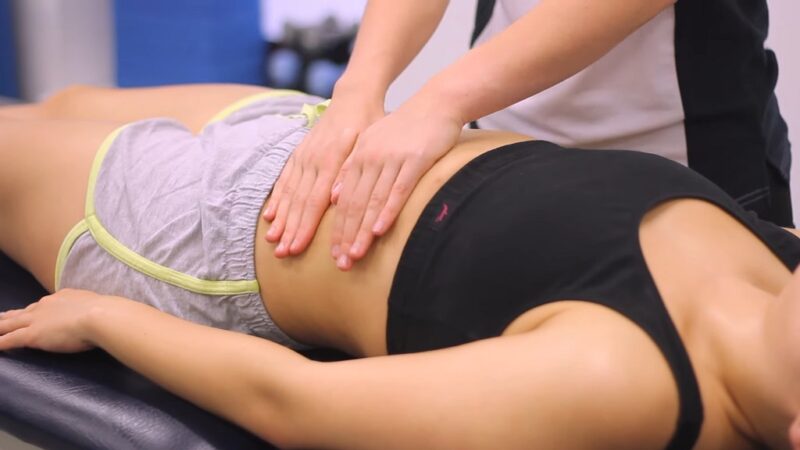
Recovery plans benefit when multiple techniques work together.
Lymphatic Drainage Massage pairs well with hydration, adequate sleep, compression therapy, and professional support such as https://mysportschiropractor.com.au for sports chiropractic care and remedial massage to further enhance recovery outcomes.
Integrated recovery routines often rely on coordinated methods that address fatigue and swelling at several levels, including:
- fluid management through massage and compression
- metabolic clearance supported by hydration
- nervous system calming supported by rest and gentle touch
Reduces Swelling and Inflammation
Hard training sessions often cause lymph fluid to collect within muscle tissue and surrounding fascia.
Gentle stimulation encourages movement of excess fluid, easing pressure and discomfort.
Improved tissue mobility supports smoother joint motion and faster calming of inflammatory responses.
Key effects include
- reduced tissue congestion that limits range of motion
- decreased pressure around blood vessels and nerves
- improved comfort during post-training movement
Alleviates Muscle Soreness
Delayed muscle soreness often connects to lactic acid accumulation and cellular waste left after exertion.
Lymphatic stimulation assistin the s removal of these substances, leading to reduced stiffness and tenderness.
Muscles relax more easily, especially in athletes exposed to repetitive loading or high training frequency.
Supports Circulation
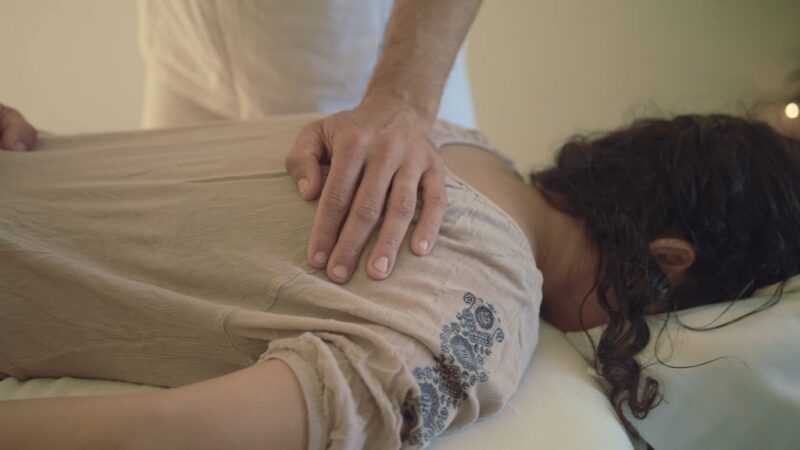
Efficient circulation plays a central role in recovery quality. Enhanced lymph and blood flow improves delivery of oxygen and nutrients to stressed tissues.
Repair processes accelerate as muscles receive what they need to rebuild and adapt.
Improved circulation also supports natural detox activity following heavy exertion.
Practical Application
Application timing and delivery method influence results significantly.
Thoughtful scheduling helps athletes gain maximum benefit while avoiding overstimulation during vulnerable recovery phases.
When to Use It
Post-competition periods and intense training blocks provide ideal timing, especially during visible inflammation or heavy fatigue.
Regular sessions scheduled weekly or biweekly suit athletes managing high workloads or frequent performance demands.
Consistency supports ongoing fluid balance and tissue health.
Professional vs. Self-Administered
Basic self-care actions such as light massage, gentle movement, and hydration can encourage lymph flow at a surface level.
Licensed therapists provide more precise outcomes through advanced anatomical knowledge and refined manual skills.
Professional care becomes particularly valuable during:
- injury rehabilitation phases
- chronic tension management
- lymphedema or persistent swelling concerns
Benefits Beyond Muscle Recovery
Lymphatic system stimulation affects multiple body systems, not only muscles stressed by training.
Gentle rhythmic touch influences immune response, nervous system balance, and overall physical comfort.
Effects extend into daily well-being, especially for athletes exposed to high physical and emotional demands.
Immune support strengthens as lymph nodes receive consistent stimulation and fluid transport improves.
Efficient lymph flow assists removal of cellular waste and supports the body’s natural defense mechanisms.
Key immune-related outcomes include
- improved lymph node activity linked to toxin clearance
- enhanced circulation of immune cells throughout the body
- reduced burden on tissues stressed by inflammation or fatigue
Nervous system regulation also plays a major role. Vagus nerve stimulation encourages a parasympathetic response associated with calm and recovery.
Stress hormone levels decrease, allowing deeper rest and improved sleep quality.
Mental recovery benefits appear alongside physical relaxation, supporting focus and emotional balance during demanding training cycles.
Athletes dealing with chronic pain or undergoing cancer treatment often seek recovery methods that avoid aggressive pressure.
Gentle lymphatic work offers comfort without overstimulating sensitive tissues. Pain perception may decrease as swelling reduces and nervous system signals settle.
Quality of life improves through relaxation, reduced discomfort, and improved energy regulation.
Safety and Considerations
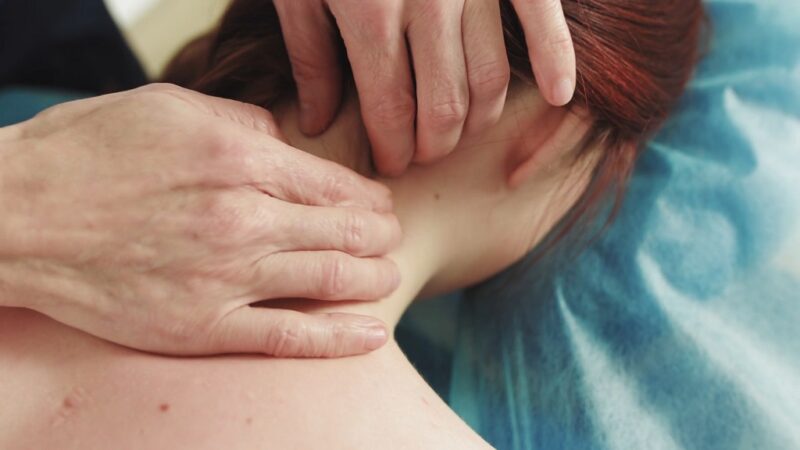
Lymphatic Drainage Massage offers a strong safety profile due to its gentle pressure and non-invasive nature.
Light, rhythmic movements avoid mechanical stress on muscles, joints, and connective tissues, making sessions suitable for a wide range of individuals.
Careful application remains necessary, especially when pre-existing medical concerns influence fluid regulation or circulation.
Certain health conditions require professional evaluation before beginning treatment.
Lymph movement directly affects fluid balance and waste transport, so improper application may place unnecessary strain on internal systems.
Situations that call for added caution include:
- heart conditions that affect fluid regulation and cardiovascular load
- kidney disorders that alter waste filtration and fluid processing
- circulatory issues that impact blood or lymph flow dynamics
Consultation with a qualified therapist provides essential screening and risk assessment.
Health history review allows identification of contraindications and necessary adjustments.
Session planning benefits when a professional evaluates how the lymphatic system may respond to stimulation under existing medical conditions.
Personalized treatment design supports safety and effectiveness.
Technique intensity, session duration, and frequency adjust according to individual health status, recovery demands, and training load.
Guided care ensures lymphatic stimulation supports healing and comfort while minimizing risk.
Proper professional oversight allows therapeutic benefit without compromising overall health.
Summary
Lymphatic Drainage Massage serves as an effective tool for managing swelling, soreness, and fatigue after intense physical training.
Regular integration into recovery routines supports circulation, relaxation, and overall performance readiness.
Athletes benefit most when sessions complement proper nutrition, hydration, and active recovery habits.
Certified therapists offer tailored care that promotes healing, comfort, and long-term physical resilience.