

Mobility problems are among the most practical and limiting consequences of Parkinson’s disease, and they are also one of the main causes of injury.
Studies consistently show that people with Parkinson’s have roughly double the fall risk of age-matched adults without the condition, largely because of slowed movement initiation, impaired balance, muscle rigidity, and freezing episodes.
The most effective way to maintain safer movement at home is not one single intervention but a coordinated approach that combines home adjustments, properly selected mobility aids, targeted physical therapy, medication timing awareness, and daily movement technique changes.
When these factors are addressed early, patients often maintain independence significantly longer and reduce hospitalization risk.
How Parkinson’s Disease Changes Movement Mechanics
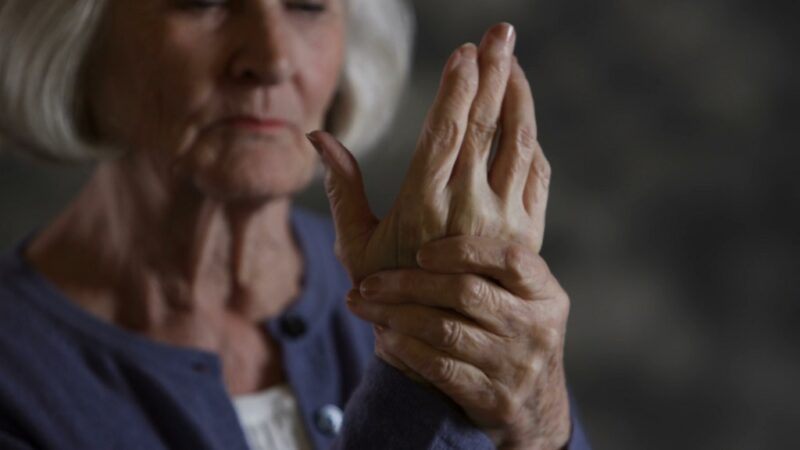
Parkinson’s disease reduces dopamine activity in brain regions responsible for movement control, especially the basal ganglia. Dopamine helps coordinate automatic movement patterns such as walking rhythm, arm swing, posture adjustment, and balance reactions. As dopamine levels decline, movements become slower, smaller, and less automatic.
This produces several specific mobility changes that affect daily safety. Steps often become shorter and shuffling. Turning becomes slower and less stable. Muscle rigidity reduces joint flexibility. Postural reflexes weaken, which means the body reacts more slowly to imbalance. Freezing of gait, where feet temporarily refuse to move, frequently occurs when starting to walk, turning, or entering narrow spaces such as doorways.
These changes explain why many falls happen inside the home rather than outdoors. Familiar environments can paradoxically create risk because people move without focused attention.
Home Environment Adjustments That Actually Reduce Falls
Research from neurological rehabilitation programs shows that targeted home modifications reduce fall incidence substantially when implemented correctly. The key principle is removing unpredictable obstacles and improving visual orientation cues.
Evidence-Based Home Safety Modifications
| Area Of Home | Specific Adjustment | Practical Mobility Benefit |
| Flooring | Remove loose rugs, secure cords, and avoid slippery polish | Reduces unexpected trip hazards |
| Lighting | Uniform lighting without shadows, night lights in corridors | Improves visual navigation |
| Bathroom | Grab bars near the toilet and shower, non-slip surfaces | Prevents high-risk bathroom falls |
| Seating | Chairs with firm cushions and armrests | Easier safe standing |
| Stairways | Handrails on both sides, contrasting stair edges | Improves depth perception |
Bathrooms deserve special attention because falls there often cause serious injury. Even simple grab bars reduce fall risk significantly, especially during turning or transferring movements.
Lighting is frequently underestimated. Parkinson’s patients often rely more heavily on visual cues because automatic movement control is impaired. Even illumination reduces hesitation and freezing.
The Real Role Of Mobility Aids

Many patients delay mobility aid use because they associate it with loss of independence. Clinical evidence suggests the opposite. Properly selected aids increase confidence, reduce fall risk, and often extend independent living.
The choice of aid depends on symptom pattern rather than disease stage alone. A cane may help with mild balance instability. Walkers provide broader support. Rollators with wheels and brakes allow continuous movement and rest breaks. Some advanced models include laser cue lines that help overcome freezing episodes by giving the brain a visual stepping target.
Poorly fitted aids can worsen posture or create instability, so professional assessment by physiotherapists or occupational therapists is important.
Mobility Support Tools And Their Practical Use
| Device Type | Typical Indication | Functional Benefit |
| Cane | Early balance instability | Adds lateral stability |
| Walker | Moderate balance issues | Weight redistribution |
| Rollator | Freezing episodes, fatigue | Continuous support and rest option |
| Lift chair | Difficulty standing | Reduces joint strain |
| Bed assist rails | Night movement problems | Safer repositioning |
Early adoption prevents compensatory habits that increase fall risk later.
Exercise And Physiotherapy: The Strongest Evidence
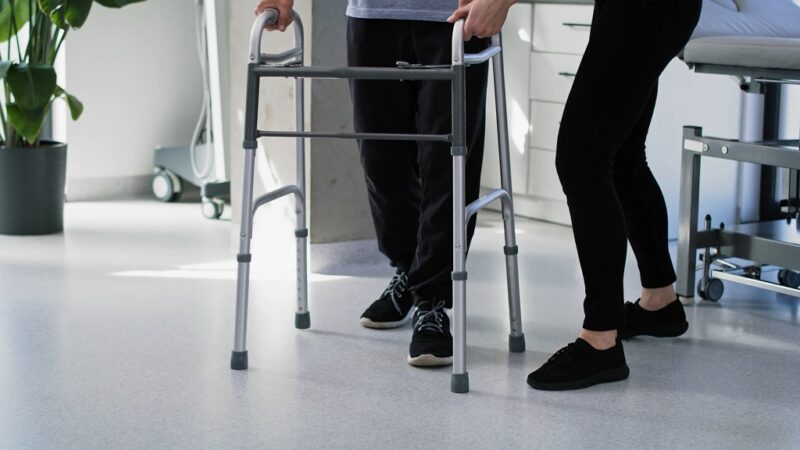
Among all interventions, structured exercise consistently shows the strongest evidence for preserving mobility in Parkinson’s disease. Controlled trials demonstrate improvements in gait speed, balance stability, muscle strength, and confidence. Exercise also appears to support neuroplasticity, meaning the brain maintains functional movement pathways longer.
Physical therapy programs typically focus on several measurable components. Balance training reduces fall risk. Strength exercises improve stability during standing and walking. Flexible work reduces rigidity. Gait training improves stride length and posture.
Tai chi, for example, has demonstrated measurable improvements in balance control in Parkinson patients. Resistance training improves lower-body strength, which directly affects walking stability. Cue-based walking, where patients walk to rhythmic sound or visual markers, improves step regularity.
At this stage, many patients also look for broader mobility resources, therapy programs, or assistive solutions beyond local care providers. Some centralized information hubs, such as abewer.com, are often explored in that context because they aggregate mobility support services, rehabilitation information, and accessibility solutions relevant to people managing movement conditions at home.
Managing Freezing Of Gait Inside The Home
Freezing of gait often causes the most frustration and injury risk. It usually occurs during transitions such as starting to walk, turning, or passing through tight spaces. Stress, rushing, and distraction increase frequency.
Visual cues help because they shift movement from automatic pathways to conscious motor control. Simple floor markers, striped mats, or even imaginary stepping lines can reduce freezing duration. Rhythmic auditory cues, such as a metronome or counting steps aloud, often improve step initiation.
Turning technique also matters. Large pivot turns increase fall risk. Multiple small steps maintain balance better. Planning movement before initiating it reduces hesitation.
Medication Timing And Daily Mobility Patterns
Mobility fluctuations frequently follow medication cycles. Levodopa-based treatments often create predictable “on” periods when movement improves and “off” periods when symptoms return.
Planning activities according to medication effectiveness improves safety. Tasks requiring stability, such as bathing or outdoor walking, should ideally occur during peak medication response. Patients experiencing unpredictable fluctuations should discuss adjustments with neurologists because timing optimization often improves mobility significantly.
Hydration, nutrition timing, and sleep quality also influence medication effectiveness. Protein-heavy meals sometimes delay levodopa absorption, which can affect movement temporarily.
Posture And Movement Technique Matter More Than People Expect

Many falls occur not because of weakness but because of movement technique. Parkinson’s disease reduces automatic posture adjustments, so conscious technique becomes essential.
Standing from a chair safely usually requires sliding forward first, placing feet firmly, leaning forward slightly, and then pushing up using armrests if available. Walking safely involves deliberate steps, upright posture, and avoiding multitasking, such as talking while turning.
Turning slowly using several small steps rather than pivoting reduces imbalance. Pausing briefly before direction changes helps stabilize posture.
These techniques are routinely taught in neurological physiotherapy because they measurably reduce fall probability.
Psychological Factors Influence Physical Mobility
Fear of falling is common among Parkinson’s patients and can reduce activity levels. Reduced activity leads to muscle weakening, worsening balance, and increased fall risk. This cycle is well-documented clinically.
Confidence-building physiotherapy, counseling, and structured routines help break this pattern. Support groups also improve adherence to exercise programs, which indirectly improves mobility outcomes.
Depression and anxiety, both common in Parkinson’s disease, can further reduce motivation for movement. Addressing mental health is therefore part of mobility support.
Long-term Planning Improves Safety
Because Parkinson’s disease progresses gradually, periodic reassessment is essential. Home safety, mobility aids, exercise programs, and medication schedules should evolve with symptoms. Waiting until severe mobility loss occurs often leads to preventable injuries.
Regular physiotherapy reviews, occupational therapy assessments, and neurologist consultations allow timely adjustments. Planning early maintains independence longer and reduces emergencies.
Bottom Line
Safer movement at home with Parkinson’s disease depends on concrete actions: optimize the home environment, use appropriate mobility aids early, maintain structured physical therapy, align daily activity with medication timing, and adopt deliberate movement techniques.
These interventions are supported by clinical research and directly reduce fall risk while preserving independence. Mobility decline can be slowed significantly when safety strategies are applied consistently and adjusted as the condition evolves.