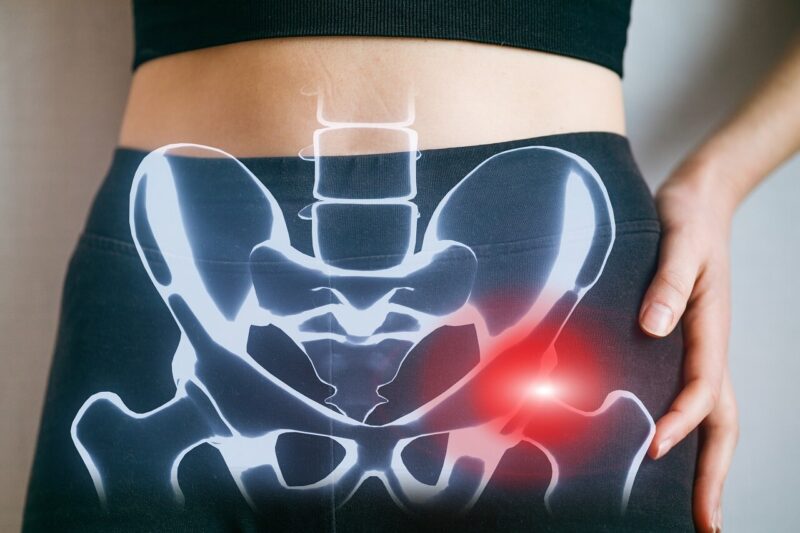
SI joint pain refers to pain at the sacroiliac joint, located where each hip bone meets the base of the spine. Clinicians may also call it sacroiliac joint-mediated pain or SI joint dysfunction.
SI joint dysfunction is a common but often missed source of low back, hip, buttock, and leg pain.
Research data estimate that SI joint dysfunction accounts for approximately 25% of chronic low back pain cases in adults.
Symptoms can look like sciatica, lumbago, disc problems, piriformis syndrome, lumbar facet syndrome, fractures, infection, or other lower back and hip conditions.
Because many of these conditions share similar pain patterns, diagnosis can be challenging.
Pain may occur on one side or both sides. Midline pain is less typical, since SI joint pain usually sits off to one side near the back of the pelvis.
What Causes SI Joint Pain?
SI joint pain can have several causes, and many of them overlap.
Some cases begin after injury, while others develop gradually due to joint stiffness, excess movement, inflammation, pregnancy-related pelvic changes, altered walking mechanics, or repeated stress across the lower back and pelvis.
Because SI joint pain can resemble sciatica, disc problems, hip conditions, and other causes of low back pain, identifying the cause usually requires looking at symptoms, movement patterns, injury history, and risk factors together.
Joint Dysfunction and Abnormal Load Transfer
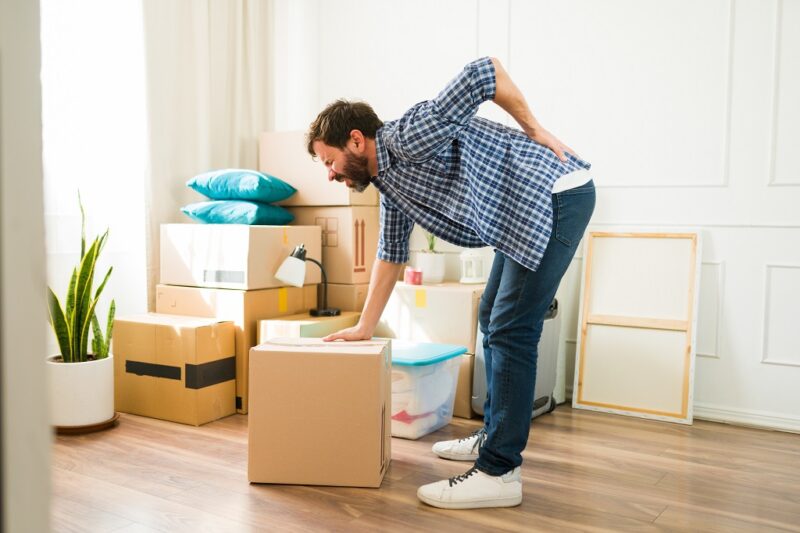
SI joint pain can develop when the joint does not move correctly or does not transfer force properly.
During bending and other daily movements, the SI joint helps absorb shock and move vertical loads between the lower spine, pelvis, and legs.
Two common mechanical patterns can contribute to pain.
Hypomobility means the joint is too stiff. Hypermobility means the joint moves too much, often due to insufficient pelvic girdle stability.
Several mechanical problems may affect how force moves through the pelvis:
- Hypomobility can limit normal joint motion and increase stiffness.
- Hypermobility can allow too much motion and reduce pelvic control.
- Poor pelvic girdle stability can make force transfer less efficient.
- Pelvic asymmetry can increase strain during walking, bending, lifting, or rotating.
Both stiffness and poor pelvic stability can create nonoptimal load transfer. When force does not move through the pelvis in a balanced way, ligaments, muscles, and joint surfaces may become irritated.
Pelvic asymmetry or instability can also contribute to SI joint pain. Mechanical faults at the pubic symphysis or SI joint may affect pelvic alignment and make the joint less stable during daily movement.
Arthritis and Inflammatory Conditions
Arthritis and inflammatory disease can also cause pain in or around the SI joint.
In these cases, symptoms may involve stiffness, aching, inflammatory flare-ups, or pain that worsens after inactivity.
Osteoarthritis can affect the SI joint, especially as cartilage and joint surfaces change with age or repeated loading.
In some people, joint wear can lead to stiffness, irritation, and pain around the pelvis and lower back.
Ankylosing spondylitis and other inflammatory spondyloarthropathies can cause sacroiliitis.
Ankylosing spondylitis is commonly described as a rheumatic arthritis linked with inflammation and stiffness of the SI joint and spinal ligaments.
Several conditions can trigger inflammation in the SI joint:
- Osteoarthritis
- Autoimmune disease, such as ankylosing spondylitis
- Infection
- Trauma
Systemic inflammatory diseases can also lead to sacroiliitis and SI joint pain.
SI joint pain is a broad term for pain arising in or around the SI joint, and it is not always inflammatory. Sacroiliitis refers specifically to inflammation of the SI joint.
Infection in the SI joint is possible but rare.
Gait Problems and Biomechanical Issues
Walking mechanics can strongly affect the SI joint. Uneven loading across the pelvis may irritate the joint, especially when one side carries more stress than the other.
Conditions or habits that change walking mechanics can create inappropriate or uneven loading across the pelvis.
Possible contributors include leg length differences, scoliosis, poor posture, muscle imbalances, Achilles tendon rupture, ACL injuries, and other injuries that affect gait.
Clinicians may look for movement and alignment findings that suggest SI joint dysfunction:
- Asymmetric iliac crest height
- Asymmetric weight-bearing while upright
- Painful catching during the stance phase of gait
- Increased pain during the stance phase
- Shortened stride length
- Gluteus medius weakness
- Iliopsoas, piriformis, or hamstring tightness
Physical inactivity may weaken muscles that support the spine and pelvis. Reduced muscle support can lower spinal stability and increase SI joint stress.
Aging may reduce SI joint mobility, which can contribute to stiffness, inflammation, pain, and changes in pelvic stability.
Prior lumbar or lumbosacral fusion may also transfer increased mechanical loads to the SI joint and trigger pain.
Because SI joint pain can come due to several overlapping causes, diagnosis may require more than a standard physical exam.
In some cases, si joint injections may help confirm the SI joint as the pain source while also reducing pain and inflammation for a limited period.
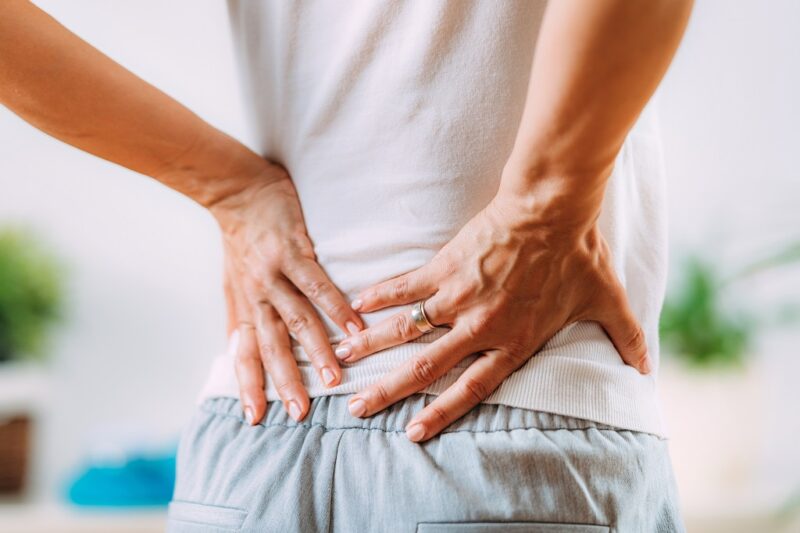
Injury can trigger SI joint pain suddenly. A traumatic event may strain the joint, irritate surrounding ligaments, or disrupt how force travels through the pelvis.
Common causes include falls onto the buttocks, motor vehicle collisions, heavy lifting injuries, contact sports, and direct impact to the pelvis or lower back.
Traumatic onset often occurs after heavy lifting, a fall onto the buttocks, or a motor vehicle crash. Available data connect many SI joint pain cases to trauma or repeated strain:
Acute trauma and repetitive microtrauma are reported to contribute to 88% of SI joint pain cases.
Repetitive Stress and Overuse
Repetitive stress can irritate the SI joint even without a single major injury. Repeated weight-bearing, twisting, or shearing forces can gradually strain the joint and surrounding support structures.
Over time, repetitive microtrauma can weaken joint support structures and increase the chance of pain or flare-ups. Repeated loading may also contribute to inflammation, especially when movement mechanics are uneven.
Sports and activities that may contribute include football, gymnastics, golf, tennis, soccer, ice skating, basketball, running, and jumping-based exercise. Activities with repeated twisting, lateral movement, shear force, or torsion can place significant stress on the lower back and pelvis.
Cycling can also trigger symptoms for some people. Prolonged forward-leaning can tilt the pelvis forward and increase stress across the SI joint.
Pregnancy and Postpartum Changes
View this post on Instagram
Pregnancy can increase SI joint stress because the pelvis changes to prepare for childbirth.
Ligaments and joints often become more relaxed and flexible, which may reduce pelvic stability.
Hormonal and physical changes can increase SI joint pain risk.
Gait changes, weight changes, and added pelvic stress can also provoke symptoms during pregnancy.
Postpartum patients may continue to experience SI joint dysfunction as ligaments, muscles, posture, and walking mechanics adjust after delivery.
Sex-related anatomy and mobility may also play a role:
- Women are more likely than men to present with SI joint dysfunction.
- Female SI joints are described as more mobile.
- Greater SI joint mobility can increase stress, load, and pelvic ligament strain.
Common Triggers That Can Make SI Joint Pain Worse
SI joint pain often worsens during activities that load the pelvis unevenly or require repeated coordination between the lower back, hips, pelvis, and legs.
Triggers can vary, but many involve pressure, impact, twisting, prolonged posture, or one-sided loading.
Everyday Activities
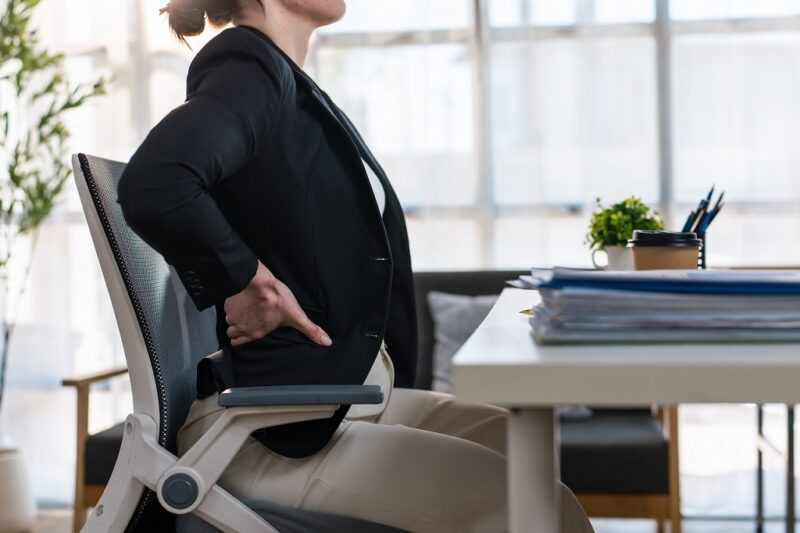
Daily activities can aggravate SI joint pain when they load one side of the pelvis more than the other or require coordinated movement between the lower back, pelvis, and legs.
Common triggers include prolonged sitting, especially in a car, long periods upright, stair climbing, going down stairs, turning over in bed, lying on the painful side, shifting weight onto the painful side, and balancing on one leg.
Several daily positions can place added stress on the SI joint:
- Sitting for long periods can increase pelvic pressure.
- Standing for long periods can load the SI joint continuously.
- Stair climbing can increase single-leg loading.
- Turning over in bed can twist the pelvis.
- Side sleeping can compress the painful side.
Sitting, walking, stair use, and upright posture can all aggravate symptoms because they require the lower back, pelvis, and legs to work together.
Back sleeping with a pillow under the knees, or side sleeping with a pillow between the legs, may reduce pressure.
Exercise and Movement Triggers
High-impact or repetitive movement can worsen SI joint pain. Running, especially uphill running, may increase force through the pelvis.
Jumping, landing after a jump, plyometrics, repeated bending, twisting, lifting, and contact sports can also irritate the joint.
Some exercises place more stress on the lower back and pelvis because they combine force, speed, and repeated loading:
- Lateral jumps
- Burpees
- Jump landings
- Uphill running
- Repeated twisting drills
- High-impact plyometric movements
Repetitive motions and positions that unevenly load the hips may worsen symptoms, especially when pelvic stability is limited.
Work-Related Triggers
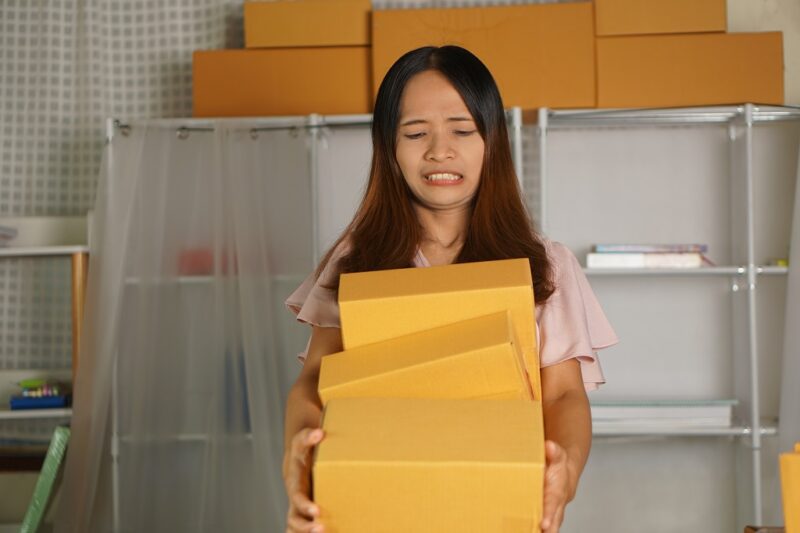
Work demands can aggravate SI joint pain when they involve long periods in one posture, repeated lifting, or constant position changes.
Jobs that require frequent sitting, prolonged standing, walking, heavy manual labor, or repeated lifting of heavy objects may increase SI joint stress.
Certain roles may provoke symptoms because they repeatedly load the lower back and pelvis during routine tasks:
- Teachers may spend long periods on their feet.
- Store clerks may stand or walk for much of the day.
- Restaurant workers may combine standing, walking, carrying, and quick turns.
- Manual laborers may repeatedly lift, bend, or rotate.
Posture and Lifestyle Factors
Posture, footwear, body weight, and activity habits can all influence SI joint stress.
Small alignment changes may affect how force travels through the feet, legs, hips, pelvis, and lower back.
Poor posture, unsupported sitting, excess body weight, and unsupportive footwear can increase strain on the SI joint.
Poor posture may exaggerate spinal curves and tilt the pelvis forward or backward. Altered pelvic position can affect SI joint orientation and lead to lower back or buttock discomfort.
Excess body weight can place extra stress on the SI joint. Added weight may also contribute to poor posture or weakened muscles, which can increase pelvic strain.
Footwear may aggravate SI joint pain when it changes alignment upward through the feet, ankles, knees, hips, and pelvis.
High heels may tilt the pelvis forward. Flat shoes with little arch support, flip-flops, and sandals with little-to-no arch support may also increase symptoms in some people.
People with arthritis-related SI joint pain may notice more flare-ups when they frequently eat foods that promote overall inflammation.
Symptoms of SI Joint Pain
Symptoms can vary depending on the cause, but SI joint pain often affects the lower back, buttocks, hip, pelvis, and sometimes the leg.
Pain may be sharp, aching, stiff, unstable, or activity-related.
Because symptoms can overlap with disc problems, sciatica, piriformis syndrome, hip conditions, and other spine disorders, location and activity triggers are important clues.
Where Pain Is Felt
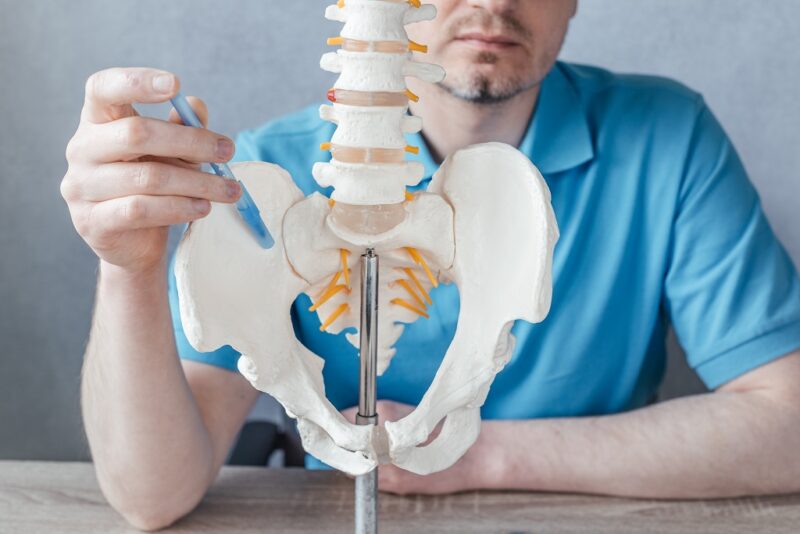
SI joint pain is often centered in the pelvis and may spread to the lower back, buttocks, hips, and legs.
Pain may also affect the gluteal area, lateral hip, lower extremities, and groin.
Common pain areas include:
- Lower back
- Buttocks
- Hips
- Pelvis
- Gluteal region
- Lateral hip
- Legs
- Groin
Less commonly, symptoms may reach the feet.
Pain Pattern
Pain often occurs on one side, although both SI joints can be painful. Pain is usually not centered directly in the midline of the spine.
Patients may point to pain near or just below the posterior superior iliac spine. Clinicians often describe this pattern using the Fortin finger test.
During the Fortin finger test, the patient points with one finger to the pain site.
A positive test means pain sits within 1 cm of the posterior superior iliac spine, usually just inferomedially to it.
Activity-Related Symptoms
SI joint symptoms often change with posture and movement. Sitting, standing, sleeping, running, and stair climbing may all affect pain intensity.
Symptoms may worsen after sitting, being upright, or sleeping for a long time. Activities such as running or stair climbing can also increase pain.
Common activity-related symptoms include:
- Morning stiffness in the hips or lower back
- Pain when rising after sitting
- Pain while climbing stairs
- A feeling of instability in the hips or lower back
- Increased discomfort after prolonged posture
- Symptoms that worsen with running or uneven walking mechanics
Pain may worsen when rising after sitting or climbing stairs, especially when inflammation is present.
Walking may be more tolerable than running because it is lower impact, but irregular gait patterns, such as leaning to one side or having uneven stride length, can still stress the SI joint.
Acute vs. Chronic SI Joint Pain
SI joint pain may be acute or chronic. Timing can help clarify the likely cause and the need for further evaluation.
Acute SI joint pain may follow an injury and can improve within days or weeks. Chronic SI joint pain may last longer when the underlying cause has not been addressed.
Acute pain is often sudden or temporary. Chronic pain is more persistent and may relate to ongoing mechanics, inflammation, arthritis, posture, gait, or activity habits.
Closing Thoughts
SI joint pain can come due to mechanical dysfunction, inflammation, injury, pregnancy-related changes, gait problems, repetitive stress, poor posture, physical inactivity, footwear issues, or excess body weight.
Diagnosis usually involves medical history, physical exam, provocation tests, and sometimes imaging, lab testing, or diagnostic injections.
SI joint dysfunction is a meaningful contributor to chronic low back pain, with an estimated prevalence of about 25% among adults with chronic low back pain.